Om Shanti Shanti Shantihi Movie Kuttymovies 2025 Review Details
Om Shanti Shanti Shantihi Music Review – Folk Beats, Fight Songs & A Vibe That Carries the Film
I’ve seen many Telugu films ride purely on music-driven recall value, and from the first audio teaser itself, Om Shanti Shanti Shantihi signaled that vibe would be its biggest weapon. Jay Krish’s soundscape doesn’t aim for chartbusters alone — it builds mood, texture, and rural pulse, perfectly aligned with current viral movie trends.
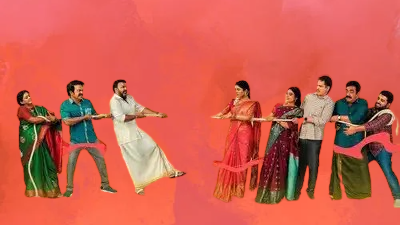
Set against a rustic Andhra backdrop, the film uses music not just as interruption but as emotional punctuation, weaving folk rhythms into a narrative about marriage, ego clashes, and empowerment.
| Role | Name |
|---|---|
| Lead Actors | Tharun Bhascker Dhaassyam, Eesha Rebba |
| Director | A.R. Sajeev |
| Music Composer | Jay Krish |
| Lyricists | Not specified |
| Singers | Not specified |
Song Placements – Organic Flow or Forced Stops?
The biggest win here is placement discipline. Songs appear when emotions peak — weddings, conflicts, transformations — never randomly dropped for commercial padding. The title track bursts in like a village announcement drumbeat, instantly setting tone.
The marital fight song cleverly converts conflict into choreography, allowing storytelling through rhythm rather than dialogue overload.
Insight: Songs act as narrative accelerators, not speed breakers.

Takeaway: The album respects story momentum — a rare quality today.
Background Score – Silent Hero of the Film
The BGM deserves special mention. Jay Krish layers folk percussion with subtle electronic textures, giving scenes punch without overpowering performances. During confrontations, the score tightens tension; during humor, it breathes.
Especially effective are the cockfight metaphor scenes, where percussive rhythms sync with physical comedy, creating goosebumps moments without loudness.
Insight: The background score understands rural silence as much as rural noise.
Takeaway: BGM quietly elevates scenes beyond their written impact.
Emotional Connection Through Sound
Music plays a critical role in shaping audience empathy toward Prashanti’s journey. The empowerment anthem doesn’t scream rebellion — it simmers, growing stronger as visuals progress.

The romantic ballad used during flashbacks adds contrast, making present-day conflicts feel heavier without exposition.
Insight: Emotional layering comes from restraint, not volume.
Takeaway: The soundtrack helps audiences feel the shift, not just see it.
| Song Name | Rating | Best Situation to Listen |
|---|---|---|
| Om Shanti Shanti Shantihi (Title Track) | 4/5 | Road trips, festival playlists |
| Marital Mayhem Duet | 3.5/5 | Light mood, casual listening |
| Village Romance Ballad | 4/5 | Evening headphone sessions |
| Empowerment Anthem | 4.5/5 | Motivation playlists |
Choreography & Visual Vibe
Choreography stays grounded — no urban gloss forced into rural frames. Movements borrow from local folk steps, group formations feel organic, and costumes enhance rhythm.
Eesha Rebba’s transformation numbers stand out visually, while Tharun’s exaggerated body language syncs perfectly with beat drops.
Insight: Visuals amplify music without stealing focus.

Takeaway: Songs look lived-in, not staged.
| Audio Aspect | Score |
|---|---|
| Sound Mixing | Good |
| Lyrics Impact | Moderate |
| Composition Originality | High |
FAQs
Question: Is the soundtrack more folk or commercial?
Answer: It leans heavily into folk with commercial accessibility.
Question: Does the background score overpower scenes?
Answer: No, it stays subtle and scene-sensitive throughout.
Question: Will the songs work outside the film?
Answer: Select tracks, especially the title and empowerment songs, have standalone appeal.
Ratings are purely my take after multiple watches — your experience might differ!